
Here’s the deal: Losing clients costs you far more than keeping them. In fact, acquiring a new client can cost 5 to 25 times more than retaining an existing one. Yet, many agencies focus on chasing new business while letting current clients slip away – leaving money on the table.
Retention isn’t just cheaper – it’s a profit driver. Boosting customer retention by just 5% can increase profits by up to 95%. Existing clients spend 67% more and make up 65% of your revenue. Ignoring this is like trying to fill a leaky bucket.
The solution? Retention analytics tools. These tools give you the data to predict churn, track client behavior, and act before it’s too late. They turn scattered interactions into clear patterns, helping you keep clients longer, spend less on acquisition, and grow faster.
Key Takeaways:
- Retention matters: It’s cheaper and more profitable than acquisition.
- Behavioral analytics: Spot patterns that predict churn and drive engagement.
- Tools to consider: Userpilot for behavior tracking, HubSpot CRM for full client management, and AgencyAnalytics for reporting.
- Are you tracking the behaviors that lead to client retention – or just guessing?
- How much profit are you losing by focusing more on acquisition than retention?
- What would happen if your agency could predict churn before it starts?
Retention isn’t just a strategy – it’s your agency’s growth engine. Stop the leaks. Build the system. Watch your profits soar.
How Behavioral Analytics Improves Client Retention
Behavioral analytics is like having a crystal ball for your agency. It doesn’t just tell you what clients are doing – it shows you when they’re about to disengage. Instead of guessing or waiting for complaints, you get hard data that uncovers the real story behind client satisfaction and engagement.
When you go beyond surface interactions, the insights get sharper. Data-driven companies are 23 times more likely to acquire customers and 6 times more likely to retain them. It’s not magic – it’s about understanding the client journey and identifying risks before they escalate.
Spotting Client Behavior Patterns
The real value of behavioral analytics lies in the patterns it reveals. It takes scattered client interactions and turns them into actionable insights. By tracking how clients interact with your services – whether it’s how they respond to emails, engage with deliverables, or follow through on recommendations – you can uncover what success looks like and pinpoint early warning signs of trouble.
The trick is focusing on key behavioral indicators tied to retention. For example, Slack discovered that teams sending 2,000 messages within 30 days had a 93% retention rate. HubSpot found that completing certifications significantly reduced churn. For B2B agencies, these patterns might include how often clients provide feedback, their response times, or their engagement with your strategic advice. And here’s the kicker: Executive teams that integrate customer data analytics into decisions see profits increase by 126% compared to those that don’t.
Cohort analysis takes this to the next level. By grouping clients based on shared behaviors, you can track trends and refine your approach over time.
Real-Time Data: Your Early Warning System
Real-time behavioral data is like having a radar system for client relationships. It flags potential problems weeks – sometimes months – before clients decide to leave. By monitoring user interactions closely, you can detect disengagement patterns early.
These warning signs aren’t always obvious, but they’re consistent: slower email replies, skipped meetings, delayed feedback, or reduced involvement in strategic discussions. One digital marketing agency using Zigpoll paired behavioral analytics with sentiment analysis and real-time micro-surveys. The result? A predictive score that identified at-risk clients 30 days before their contracts ended, leading to a 15% jump in renewals and a 20% boost in upsell conversions within six months.
Real-time dashboards give your team immediate visibility into client health. When a client’s engagement dips below a set threshold, automated alerts trigger targeted retention efforts. That could mean a personalized check-in from an account manager or sharing content tailored to the client’s specific concerns.
Speed is everything here. 78% of customers now expect personalized interactions, and real-time data makes that possible. Instead of sending generic “How are we doing?” emails, you can reach out with precision: “We noticed you haven’t reviewed the latest campaign results – let’s schedule a call to explore optimization opportunities.” Acting on these insights quickly keeps your clients engaged and loyal.
Empowering Teams, Not Just Founders
Behavioral analytics doesn’t just help you retain clients – it also reduces your team’s reliance on the founder. Instead of keeping client insights locked in one person’s head, data-driven systems make those insights accessible to everyone.
Here’s how it works: standardized tracking and automated reports ensure every team member has the tools to act. If a client’s engagement drops by 40% over two weeks, any account manager can spot the trend and step in. They don’t need the founder’s intuition or history with the client – the data tells the story.
With 58% of customers more likely to buy after receiving targeted marketing, behavioral analytics equips your team to deliver that precision. They can craft personalized campaigns, segment communications based on engagement, and adjust service delivery based on usage patterns – all without needing the founder to weigh in.
“Personalization isn’t just a strategy; it’s a commitment to understanding and meeting our customers’ unique needs. By leveraging data and consistently engaging with our clients, we build trust and loyalty that withstands market fluctuations. This approach not only enhances customer satisfaction but also drives long-term business growth.” – Alexandra Ilie, Product Marketing Manager, Textmagic
This approach also opens the door for experimentation. A/B testing and data-driven tweaks ensure your retention strategies keep improving. Airbnb’s growth team nailed this method – they found users who uploaded profile photos had much higher booking rates and retention. By testing different messaging and onboarding strategies, they optimized this behavior at scale. Your agency can apply the same system to the behaviors that matter most for retaining your clients.
Must-Have Features in Retention Analytics Tools
Retention analytics tools aren’t created equal. The best ones do more than just track numbers – they turn client interactions into actionable strategies. These tools help you anticipate churn, keep clients engaged, and scale your business without being overly reliant on the founder. The secret? Consolidating data, creating custom visuals, and automating repetitive tasks so your team can focus on what truly matters: keeping clients happy.
Event Tracking and Funnel Analysis
Event tracking is about capturing every client interaction – email opens, meeting attendance, deliverable feedback, you name it. But raw data alone isn’t enough. Funnel analysis takes this a step further by showing exactly where clients disengage.
Picture your client journey: onboarding, reviewing the first deliverable, strategic planning sessions, and renewal discussions. Funnel analysis breaks this journey into measurable steps, revealing where clients drop off and where you can improve. For instance, MINDBODY used this approach with their “Activity Dashboard” feature. They discovered that users who engaged with the dashboard booked 24% more classes per week.
For your agency, these insights could mean reworking onboarding, tweaking meeting formats, or refining deliverable presentations. The goal? Smoother client experiences and higher retention.
Client Grouping and Cohort Analysis
Cohort analysis takes raw data and turns it into actionable patterns. By segmenting clients based on traits like join date or engagement level, you can uncover trends that would otherwise remain hidden.
Here’s an example: You might notice that clients who join in Q4 behave differently from those in Q1, or that clients using multiple services stay longer than those using just one. Companies like BukuKas have leveraged cohort analysis to great effect. By implementing it with CleverTap, they boosted conversion rates by 60% through better onboarding and engagement strategies. Similarly, Calm, the meditation app, saw a threefold increase in retention among users who set daily reminders.
Start by defining your cohorts – whether by acquisition date, service type, or engagement level. Track metrics like retention rate, churn rate, and lifetime value. Once you identify a successful cohort, dig into what’s working and replicate those factors across your client base.
Custom Dashboards and Tool Integration
Custom dashboards are game-changers, especially when they integrate with tools like CRM systems, marketing automation platforms, and customer support software. These dashboards give account managers a 360-degree view of client data – campaign performance, support tickets, renewal dates – all in one place.
Take it further by connecting to your client’s tools, such as HubSpot or Salesforce. This integration shows how your campaigns directly impact their sales pipeline. For example, Upserve combined Marketo Engage and Bizible to create unified reporting, which led to a 90% increase in MQLs.
Automation also plays a big role here. Tasks like weekly performance summaries, monthly trend reports, or quarterly business reviews can be automated, giving your team more time for strategic work. Set up alerts for when a client’s engagement score dips below a certain threshold, so your team can act fast.
“Retention is far more cost-effective than acquiring new customers. Plus, loyal customers are much more likely to become advocates for your brand, extending your reach through word-of-mouth and becoming your best marketers!” – Georgia Weyman, VP of International Sales, UnboundB2B
Best Retention Analytics Tools for B2B Agencies
The right tools don’t just crunch numbers – they empower your team to act with precision and confidence. When integrated into your workflow, they turn raw data into actionable insights, reducing guesswork and reliance on a founder’s intuition. Below, we’ll dive into three standout platforms that can sharpen your retention strategies and help you stay ahead of churn.
Userpilot: No-Code Behavioral Analytics
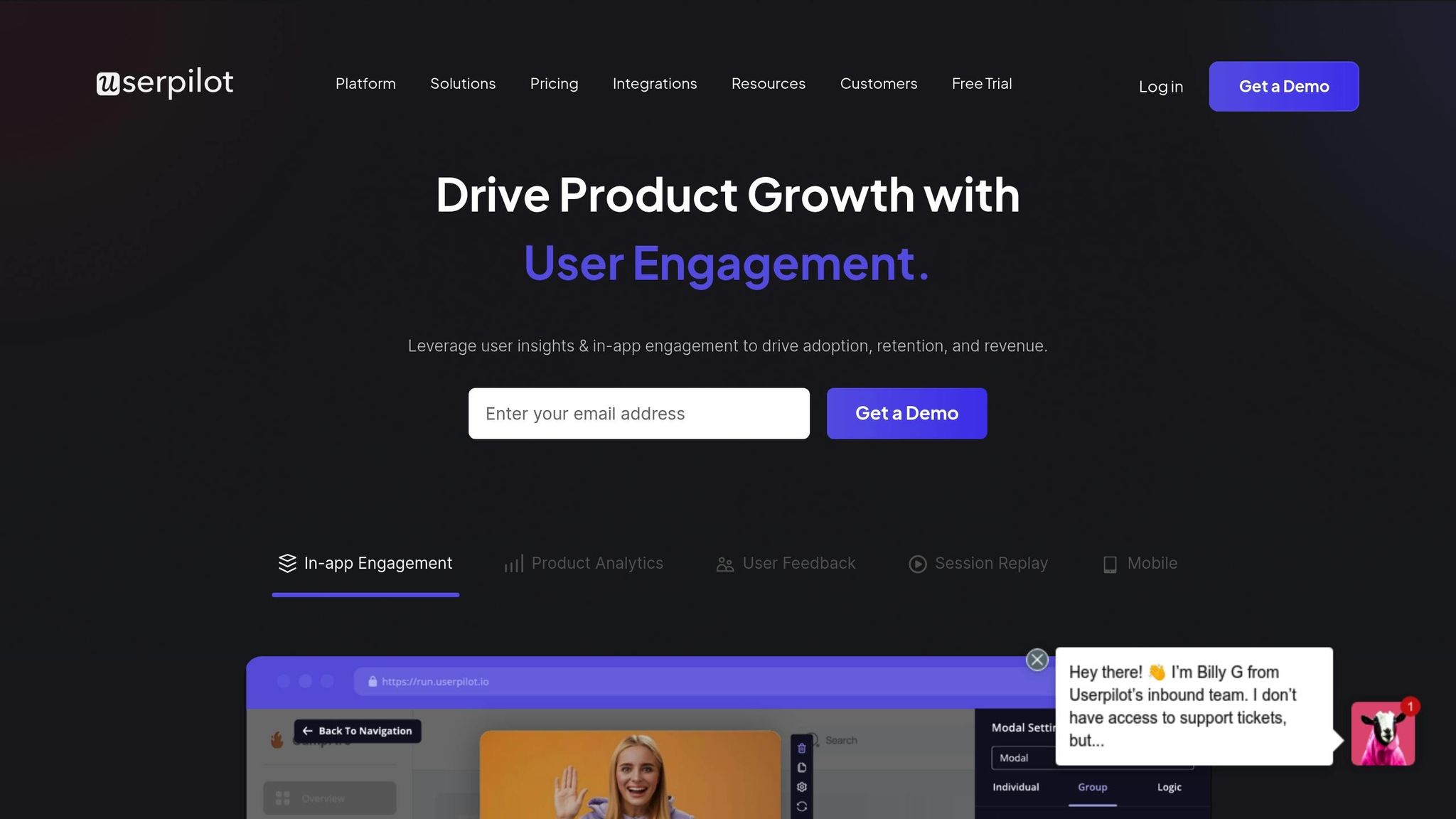
Userpilot is built for simplicity and impact. It tracks how clients interact with your services, giving you clear behavioral insights without requiring a single line of code. You can monitor client touchpoints, create behavioral segments, and design retention workflows – all through an intuitive interface.
For B2B agencies, this tool shines in spotting early warning signs. By analyzing engagement patterns, you can quickly identify clients at risk of leaving and take proactive steps to keep them on board. It’s a straightforward yet powerful way to stay ahead of churn.
HubSpot CRM: All-in-One Retention Management
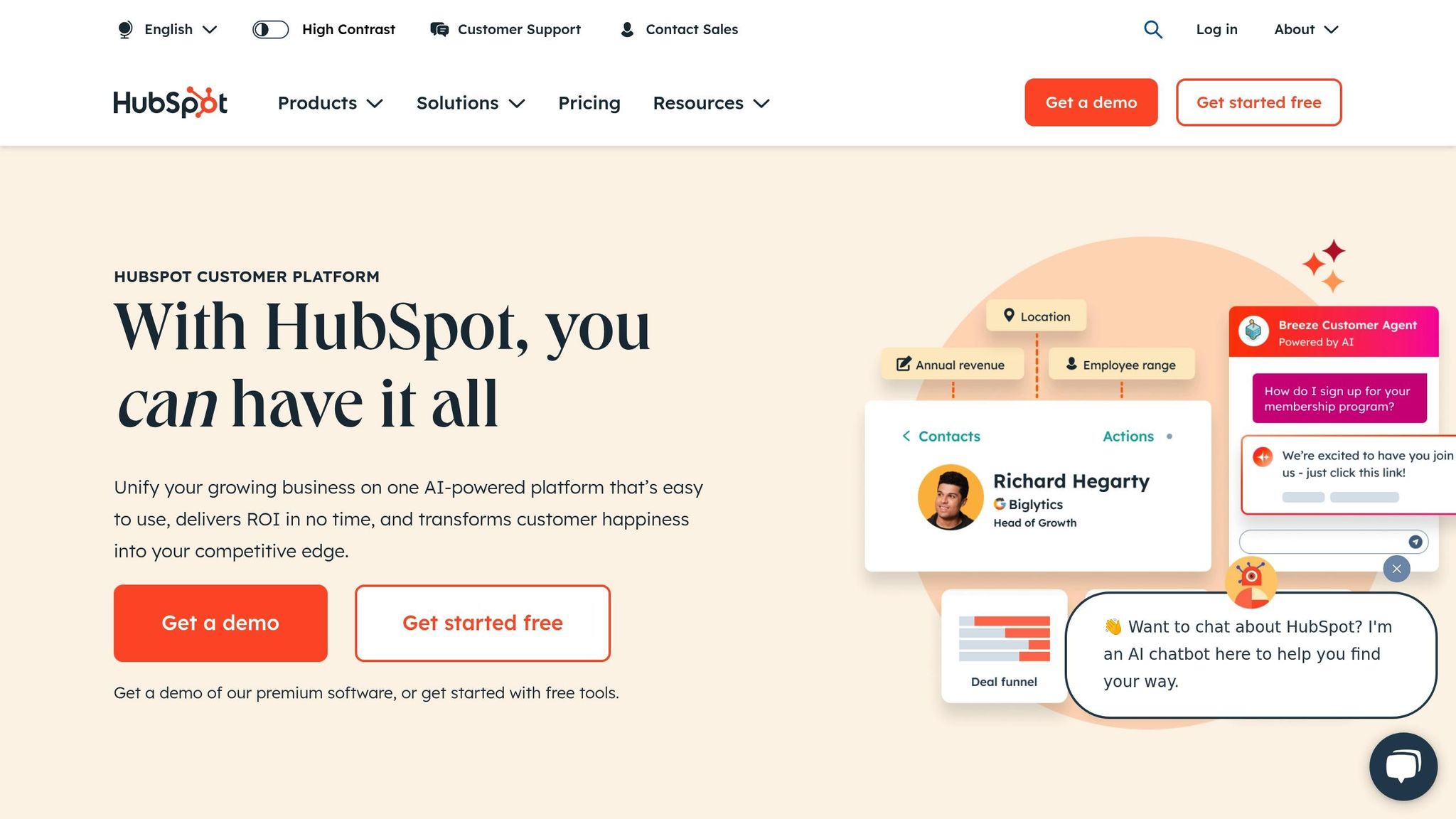
HubSpot CRM goes beyond standard client management by integrating retention analytics into its suite of tools. It tracks every interaction – whether it’s an email, a form submission, or a sales call – giving you a full picture of the client journey. Its lifecycle stage tracking is especially useful, showing exactly where clients are in their journey and what actions could lead to renewals or churn.
With customizable dashboards and tailored reports, HubSpot makes it easy to focus on the metrics that matter most to your stakeholders. Plus, its seamless API integrations with platforms like AgencyAnalytics allow you to pull data from multiple sources for advanced reporting. It’s a comprehensive solution for agencies looking to manage retention while maintaining visibility across all client interactions.
AgencyAnalytics: Simple Client Reporting
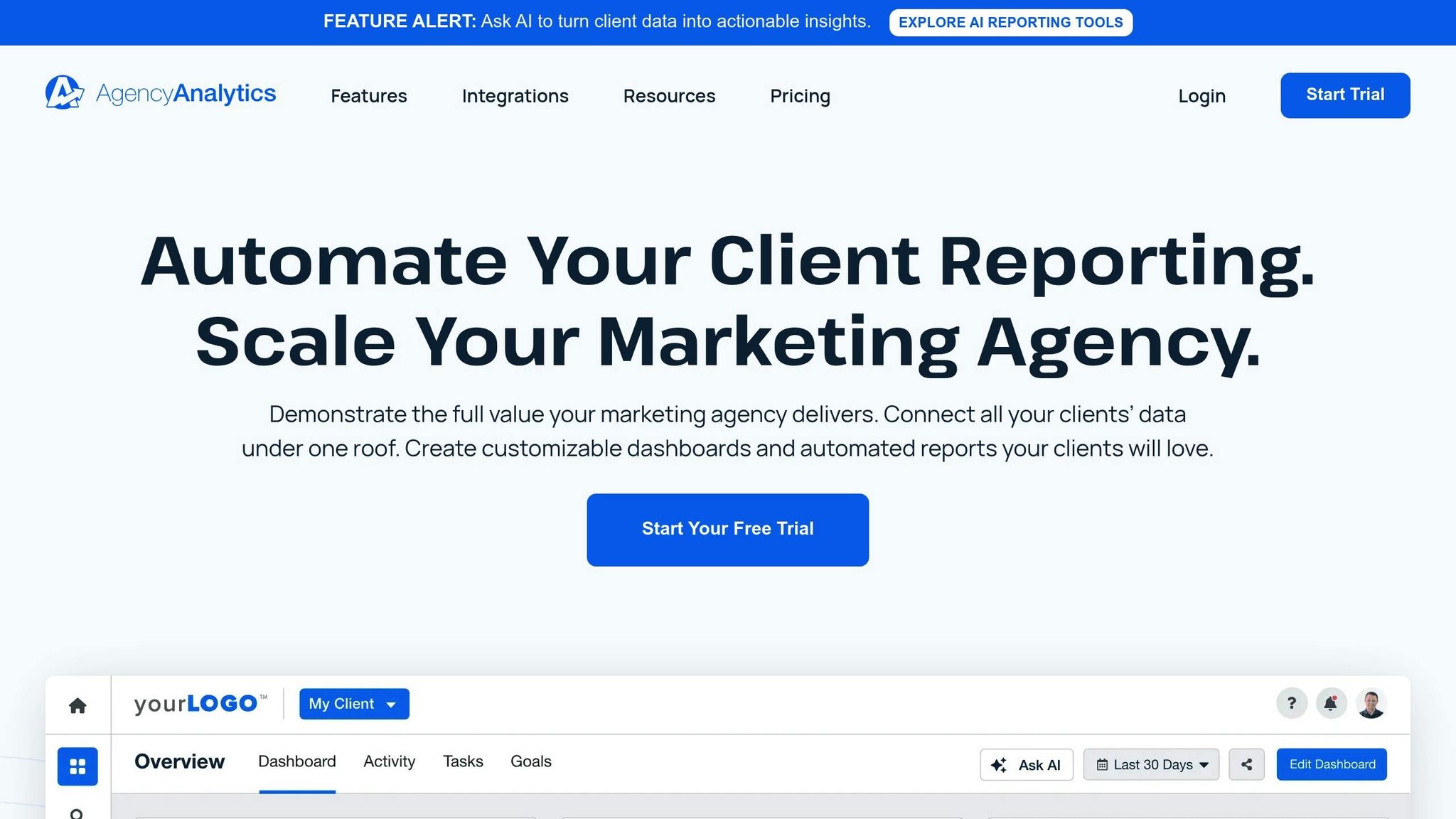
AgencyAnalytics is built for agencies that need to scale their reporting without sacrificing professionalism. Trusted by over 7,000 agencies, it simplifies the process of creating polished, consistent client reports. With 80+ direct integrations – including Google Ads, HubSpot, and LinkedIn – you can consolidate data from virtually any tool your clients rely on.
“We are saving over 125 hours per month thanks to AgencyAnalytics.” – Dan Delmain, Agency Founder
This platform doesn’t stop at reporting. It offers white-labeled dashboards, automated report scheduling, and built-in AI insights that highlight key trends. These features not only save time but also position your agency as a strategic partner in retention efforts.
“I’ve looked at every single agency dashboard company… and there isn’t a better one than AgencyAnalytics.” – Rob Johnson, Agency CEO, Wayne Media
With industry benchmarks, trend forecasting, and unlimited client logins for real-time access, AgencyAnalytics helps clients see their performance in context. It reduces the manual effort of gathering data while ensuring your reports look polished and professional.
“The only regret we have about switching to AgencyAnalytics is not doing it sooner. It has saved us an incredible amount of time and makes us look polished and professional.” – Kim Walker, Founder
Final Thoughts
Each of these tools turns client engagement data into actionable retention strategies. The key is to choose the one that aligns with your agency’s technical capabilities, client expectations, and long-term growth goals. Do you need advanced behavioral insights, a comprehensive CRM, or streamlined reporting? The answer will guide your decision.
What’s one area in your retention strategy that could use more clarity? Which tool fits your agency’s biggest pain point? How will better retention analytics impact your bottom line?
The right tool doesn’t just help you retain clients – it positions your agency as indispensable. That’s a game-changer.
How to Add Retention Analytics to Your Agency
Adding retention analytics to your agency isn’t just a technical upgrade – it’s a game-changer. It creates a system that reduces founder dependency and improves client outcomes. The trick is to implement it step by step, ensuring your team can confidently interpret and act on the data.
Review Current Data and Workflow Gaps
Start by analyzing your existing metrics and identifying where you’re falling short. Many agencies track basic stats like project completion rates or monthly recurring revenue. But here’s the kicker – those numbers often miss the behavioral signals that can predict churn well before it happens.
Ask yourself:
- Which clients are showing signs of disengagement?
- What patterns typically lead to renewals?
- When do early signs of dissatisfaction appear?
These questions will help you pinpoint the gaps in your data collection. To close those gaps, begin with straightforward tools to monitor key behaviors like email opens, meeting attendance, and report downloads. Once your team gets comfortable, you can expand to more robust systems.
Next, integrate data from your CRM, email platform, and project management tools into a single dashboard. This unified view will help you spot engagement trends across multiple touchpoints, giving you a clearer picture of how clients interact with your agency.
Once you’ve identified the gaps and collected the right data, the next step is making sure your team knows how to use it.
Train Teams on Data Analysis
Your team needs more than raw data – they need the skills to interpret it. Training them to spot behavioral patterns and act on them is critical.
For example, teach your team to recognize when a client’s engagement drops or when communication slows. These shifts often signal bigger issues that, if caught early, can be addressed before they escalate.
Remember, 87% of customers believe companies should work harder to deliver a consistent experience. By connecting the dots between client behaviors and retention, your team can create a more stable, reliable experience for your clients – without relying on guesswork.
When your team understands these patterns, they can turn insights into actionable steps, positioning your agency to address potential problems proactively.
Connect Analytics to Business Planning
Retention analytics shouldn’t live in a silo. To get the most out of this data, integrate it into your long-term client success strategies.
Build your client success plans around the patterns your data reveals, not just reactive measures. For instance, if certain engagement behaviors correlate with higher renewal rates, design your service delivery to encourage those behaviors right from the start. This approach minimizes issues before they even surface.
Standardize your response with playbooks tailored to different client segments. High-engagement clients might benefit from periodic strategic reviews, while at-risk clients could require more frequent follow-ups and additional support. These playbooks empower your team to act decisively based on data triggers, reducing the need for constant oversight.
Retention analytics also help you make smarter decisions about resource allocation. You’ll know which clients are worth extra investment and which might not align with your long-term goals. Considering it costs five times more to acquire a new customer than to retain an existing one, this kind of clarity can save you significant time and money.
The real shift happens when your team stops relying on gut feelings and starts making informed decisions based on data. That’s when your agency becomes truly scalable.
- Are you tracking the right metrics to predict client retention, or are you stuck in the basics?
- How can you empower your team to act on data without waiting for your input?
- What would change in your agency if retention became a predictable, data-driven process?
When your team masters retention analytics, you’re not just improving client outcomes – you’re building a self-sustaining machine that grows without leaning on you. That’s how you scale smarter. Mic drop.
Conclusion: Building Retention Systems for Steady Growth
Retention analytics isn’t just a tool – it’s your pathway to escaping the grind of founder dependency. By putting systematic retention processes in place, you’re not just keeping clients happy; you’re building a reliable revenue engine that doesn’t need you to micromanage every step.
Here’s the reality: B2B companies lose 23% of their customers annually on average. But those that make retention a priority see a completely different picture. Boosting customer retention by just 5% can drive profits up by 25% to 95%. That’s not a small improvement – it’s a game-changer.
“If you can’t retain your clients, you can’t build a successful company.” – Charles Gaudet, Predictable Profits
Turning retention into a system means moving from reactive fixes to proactive, data-backed strategies. Consider this: existing customers generate 67% more revenue. When your retention system flags at-risk clients early and your team knows exactly how to act, you’re not just saving accounts – you’re creating a stable foundation. This stability allows you to shift your focus away from constantly replacing churned clients. Instead of scrambling for new business, you’re locking in predictable revenue with less effort and expense.
The best agencies treat retention analytics as their secret weapon. They dig into behavioral data to spot trends, set up early warning systems, and create client experiences that turn customers into loyal advocates. And here’s the kicker: customer referrals drive $6 trillion in annual consumer spending. That’s organic growth you can’t afford to ignore.
By using real-time insights, your agency can do more than just prevent churn – it can turn retention into a scalable asset. When your systems run smoothly without your constant involvement, you’re not only improving client outcomes; you’re building a business that’s both profitable and sellable. Companies that focus on their customers are 60% more profitable than those that don’t.
So, what’s your next move? Will you keep juggling fires, or will you build the systems that free you to focus on growth? At Predictable Profits (Predictable Profits), we’re here to help agency leaders like you turn retention into the cornerstone of a thriving, scalable business.
FAQs
How can B2B agencies use retention analytics tools to reduce client churn?
B2B agencies have a powerful ally in retention analytics tools. By diving into client behavior – like engagement levels, how often they communicate, and how they use your services – you can spot the red flags of potential churn before it’s too late.
Armed with predictive models, you can take action before a client decides to leave. Think personalized communication, regular check-ins, and custom-fit solutions that address their specific needs. This isn’t just about keeping clients around – it’s about building trust and loyalty that lasts.
What features should retention analytics tools have to support an agency’s growth effectively?
When choosing retention analytics tools, focus on features that give you actionable insights. Look for advanced segmentation to group customers based on behavior or demographics, making it easier to spot trends. Cohort analysis helps you track patterns over time, while funnel tracking pinpoints where customers drop off in their journey. Want to stay ahead? Predictive analytics can flag potential retention risks before they become problems, and real-time data keeps you informed with up-to-the-minute insights.
Make sure the tool offers customizable dashboards so you can tailor reports to your needs, and prioritize integration capabilities to connect seamlessly with your existing systems. These features aren’t just nice-to-haves – they’re essential for aligning the tool with your growth objectives and day-to-day operations.
How can behavioral analytics help B2B agencies improve client engagement and retention?
Behavioral analytics gives B2B agencies a sharper lens into client behavior by studying patterns, preferences, and interactions. This isn’t just about gathering data – it’s about turning it into actionable insights. With this information, agencies can craft tailored engagement strategies, anticipate client needs, and tackle potential problems before they escalate into client churn.
Armed with these insights, agencies can segment their clients with precision, refine the customer experience, and build deeper, more meaningful relationships. The payoff? Greater loyalty, fewer clients walking out the door, and a clearer, more reliable path to long-term retention.
Related Blog Posts
- 8 Tactics To Reduce Client Churn for Your Marketing Agency
- How to Maximize Customer Profitability in Your Marketing Agency
- Client Retention Data: Systems That Increase LTV for Agencies
- How to Segment B2B Customers for Retention
The Predictable Profits Newsletter
Build a More Predictable Pipeline. Close More of the Right Deals.
Get practical lessons each week to help you generate more qualified leads, improve sales conversion, and create consistent growth without relying on heroics or luck.


